
Akkermansia Muciniphila: What the Research Says (and Doesn't)
Akkermansia muciniphila is a gut bacterium that lives in the colon's mucus layer. In a 2019 trial, 10 billion pasteurized cells a day for 3 months improved insulin sensitivity, while weight changed only a little. A 2020 multi-strain formula with inulin improved after-meal blood sugar. Sodatide lists Akkermansia but does not publish its CFU count.
What is Akkermansia muciniphila, the strain in Sodatide?
Akkermansia muciniphila is a type of bacteria that lives in the human gut. Dutch researchers first described it in 2004. The second part of its name means “mucus-loving,” and that fits. It feeds on the mucus that lines the inside of the colon.
Most healthy adults carry some Akkermansia. That amount differs widely between people. Researchers became interested when studies found that people with extra weight or blood sugar problems often had less of it. That link raised a question. Could adding Akkermansia back make a difference?
A few human trials have tried to answer that. They are small and early, but they are real. Sodatide is one of the few supplements that lists Akkermansia muciniphila on its label, next to two other strains and two prebiotic fibers.
- Type
- Gut bacterium (does not need oxygen to live)
- Home
- The mucus layer of the colon
- Food source
- Mucin, the main protein in gut mucus
- In Sodatide
- Part of a 36 mg three-strain blend; amount not published
Where does Akkermansia live in the gut?
Akkermansia lives in the mucus layer of the colon. This layer is a thick, slippery coating that sits between the gut wall and everything passing through. It helps keep bacteria and food particles at a safe distance from the body's own cells.
Akkermansia eats mucin, the main building block of that mucus. That sounds harmful, but the picture is more balanced. In lab and animal studies, the body responds by making fresh mucus. Some scientists think this turnover helps keep the gut lining healthy. The evidence for this in people is still limited.
Why its location matters
- It sits right next to the gut wall, where signals pass between bacteria and the body.
- It does not depend on the fiber you eat, because it can live on mucus.
- Other bacteria use the sugars it frees from mucin, so it links into a wider food chain.
This is also why Sodatide pairs Akkermansia with fiber. The idea is that fiber feeds the other gut bacteria, while the strains add new members to the community. Read how Sodatide works for the full mechanism.
What did the Depommier 2019 Akkermansia study find?
The best-known human trial is by Depommier and colleagues, published in Nature Medicine in 2019 (Depommier et al., 2019). It was a small “proof-of-concept” study. That means it was built to test safety and look for early signals, not to prove a benefit.
Adults with overweight or obesity took 10 billion Akkermansia cells a day for 3 months. Some took live bacteria. Some took a pasteurized form, where the bacteria are heated so they can no longer grow. A third group took a placebo.
The main results
- Both forms were well tolerated during the study.
- The pasteurized form was safe and improved insulin sensitivity compared with placebo.
- Body weight and fat mass changed only a little.
- The live form gave weaker results than the pasteurized form.
A surprise in this trial was that the heat-killed bacteria did better. Researchers think some parts of the bacterial surface can still send signals after pasteurization. That idea needs more testing.
The key number to remember is the dose: 10 billion cells a day. Any product that wants to match this study needs to state its own count.
What did the Perraudeau 2020 study find, and how does Sodatide relate?
The second trial, by Perraudeau and colleagues, was published in BMJ Open Diabetes Research & Care in 2020 (Perraudeau et al., 2020). It tested a five-strain formula plus chicory inulin in adults with type 2 diabetes.
People took 3 capsules twice a day for 12 weeks. The formula improved blood sugar after meals compared with placebo. The authors worked for the company that makes the formula, which is worth knowing when you weigh the results.
Why it matters for Sodatide
Three of the strains in that formula also appear in Sodatide: Akkermansia muciniphila, Clostridium butyricum and Bifidobacterium infantis. Both formulas also use chicory inulin. The other two strains in the trial were Clostridium beijerinckii and Anaerobutyricum hallii, which Sodatide does not list.
Shared ingredients do not mean shared results. The trial used six capsules a day of a different product. Sodatide is one capsule a day, and its strain amounts are not published. The study shows the idea has been tested. It does not show that Sodatide does the same thing.
Why does CFU matter, and why doesn't Sodatide publish it?
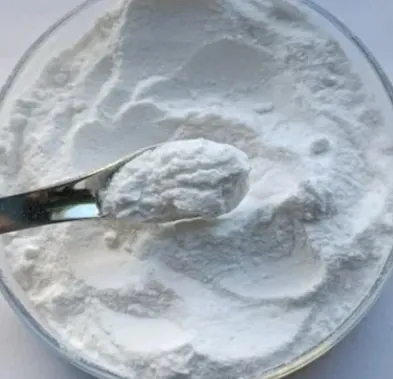
CFU stands for colony-forming units. It is a count of bacteria that are alive and able to grow. For probiotics, it is the number that links a product to the research. Weight in milligrams does not tell you that.
A probiotic blend is mostly powder. Live cells, dead cells and carrier material all add to the weight. So two 36 mg blends could hold very different amounts of bacteria.
What the Sodatide label shows
The Sodatide label lists a 36 mg blend of three strains. It does not give a CFU count, a cell count or the amount of each strain. It also does not say whether the Akkermansia is live or pasteurized. The fridge instruction suggests the blend is treated as live, but that is not stated.
This is an honest weak spot. Without a count, you cannot compare Sodatide with the 10 billion cells used by Depommier. See the full panel on the Sodatide Supplement Facts page.
Which food habits are linked to more Akkermansia?
Food research on Akkermansia is mostly in animals, and human results vary a lot. With that in mind, a few patterns show up again and again.
Fermentable fiber
Inulin and similar fibers feed the wider gut community. Some studies saw Akkermansia rise alongside other bacteria.
Polyphenol-rich foods
Mouse studies linked grape and cranberry extracts with more Akkermansia. Human data are thinner.
A varied diet
Diets built on whole plants tend to support a more diverse gut. Diversity is a common theme in this research.
None of these are a guaranteed way to raise Akkermansia. Your starting gut bacteria shape how you respond. For practical fiber tips, see our guide to inulin vs. resistant starch.
How do the Akkermansia studies compare with Sodatide?
Two Akkermansia trials side by side with the Sodatide label
| Detail | Depommier 2019 | Perraudeau 2020 | Sodatide |
|---|---|---|---|
| Who took it | Adults with overweight or obesity | Adults with type 2 diabetes | Healthy adults 18+ (label) |
| Akkermansia dose | 10 billion cells a day | Part of a 5-strain formula | Not published |
| Form | Live or pasteurized | Capsules, 3 twice a day | 1 capsule a day |
| Other strains | None | C. butyricum, B. infantis, C. beijerinckii, A. hallii | C. butyricum, B. infantis |
| Fiber | None | Chicory inulin | 211 mg chicory inulin + 100 mg potato starch |
| Length | 3 months | 12 weeks | Ongoing daily use |
| Main finding | Better insulin sensitivity (pasteurized); modest weight change | Better after-meal blood sugar | Not tested in a published trial |
The table shows why the studies are a guide, not a promise. They used known doses in specific groups of people. The capsule shares ingredients with them but has not been tested itself.
What doesn't the Akkermansia research say about Sodatide?
Akkermansia gets a lot of attention online. Here is what the current human evidence does not support.
- It is not proven for weight loss. Weight changed only a little in the main trial.
- Results are not universal. Both trials were small and ran for about three months.
- Results do not transfer between products. Strain, dose and form all matter.
- It does not replace medicine. Neither study tested Akkermansia as a swap for diabetes treatment.
What the research does show is promising. Akkermansia is a real, well-studied gut bacterium, and early human trials found it safe with some metabolic signals. Sodatide is a simple way to include it with fiber each day. Keep your expectations modest, and read the baking soda myth post for more on separating ads from facts. The full ingredient list is on the Sodatide ingredients page.
Akkermansia muciniphila questions
Is Akkermansia muciniphila a probiotic?
It is a gut bacterium that some supplements now include as a probiotic. Most people already carry some in their colon. Human research on taking it as a supplement is still early and small.
How much Akkermansia is in Sodatide?
The label does not say. It lists a 36 mg probiotic blend of three strains, with no CFU or cell count per strain. So the Akkermansia amount cannot be compared with the 10 billion cells a day used in research.
Does Akkermansia help with weight loss?
The evidence does not show that. In the 2019 Depommier study, the pasteurized form improved insulin sensitivity, but weight and fat mass changed only a little. Sodatide's label makes no weight-loss claim.
Is live or pasteurized Akkermansia better?
In the 2019 study, the pasteurized form was safe and gave the clearer results. That was one small trial, so it is not the final word. Sodatide's label does not say which form it uses.
Can I raise Akkermansia with food?
Maybe. Fiber-rich and polyphenol-rich foods have been linked with more Akkermansia, mostly in animal studies. Human results vary a lot from person to person, so treat food as a good habit rather than a sure fix.
Who should avoid Akkermansia supplements?
People with a weakened immune system, or who take immune-suppressing drugs, should ask a doctor before taking live bacteria. The Sodatide label also asks pregnant or nursing women, people under 18 and anyone with a medical condition to consult a physician.
Ready to try Sodatide?
Order from the U.S. authorized merchant, keep your order email, and you are covered by the 60-day money-back guarantee. Questions first? The contact page has the order line and both inboxes.

Keep reading
Ingredients
Every ingredient, its amount per capsule and how it compares with research doses.
Read more →How it works
The gut science behind the formula, step by step, with the dose caveat.
Read more →Inulin vs. resistant starch
How inulin and resistant starch differ, which foods have them, and the doses studies used.
Read more →