
Inulin vs. Resistant Starch: How Prebiotic Fiber Feeds Your Gut
Inulin is a fructose-based fiber from foods like chicory root and onions. Resistant starch is glucose-based and comes from cooled potatoes, green bananas and beans. Both feed gut bacteria. Studies used grams: 5–20 g of inulin and 28–48 g of resistant starch. One Sodatide capsule holds 211 mg and 100 mg, a small daily add-on.
What is the difference between inulin and resistant starch in Sodatide?
Inulin and resistant starch are both prebiotic fibers. Your body cannot digest them, so they reach the colon intact. There, gut bacteria use them as food. The difference lies in what they are made of and which bacteria eat them.
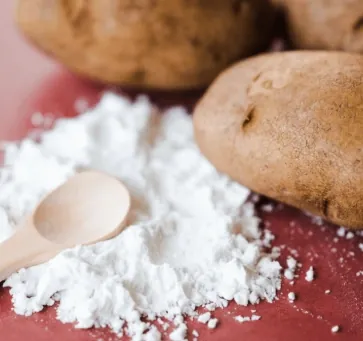
Inulin is a chain of fructose units, the same sugar found in fruit. It dissolves in water. Chicory root is the richest common source. Resistant starch is a form of starch, made of glucose units, that is packed too tightly for digestive enzymes to break. Raw potato starch and cooked-and-cooled potatoes are good sources.
- Inulin
- Fructose chain · dissolves in water · top source: chicory root
- Resistant starch
- Glucose chain · tightly packed · top sources: cooled potatoes, green bananas, beans
- In Sodatide
- 211 mg chicory root inulin + 100 mg potato resistant starch per capsule
Sodatide uses both. That pairing makes sense, because the two fibers feed different groups of bacteria. The amounts are small, and we come back to that below.
How does prebiotic fiber feed your gut?
Prebiotic fiber works through fermentation. Bacteria in the colon break the fiber down and release short-chain fatty acids. The best known is butyrate, which cells in the colon wall use as fuel.
Fiber passes through
Stomach acid and small-intestine enzymes cannot break inulin or resistant starch. Both arrive in the colon mostly unchanged.
Bacteria ferment it
Inulin tends to feed Bifidobacteria. Resistant starch needs specialist bacteria such as Ruminococcus bromii to start the job. In one study, potato resistant starch raised butyrate, but the rise depended on each person's gut bacteria (Baxter et al., 2019).
Signals reach the body
Fermentation has been linked with the gut hormones GLP-1 and PYY, which help signal fullness. In one trial, 16 g a day of oligofructose, a short form of inulin, raised these hormones and lowered hunger ratings (Cani et al., 2009).
This chain is the core idea behind Sodatide. For the full product mechanism, see how Sodatide works.
Which foods contain inulin and resistant starch?

Foods with inulin
- Chicory root (often sold as a coffee substitute)
- Jerusalem artichokes
- Onions, leeks and garlic
- Asparagus
- Wheat products
- Slightly green bananas
Foods with resistant starch
- Potatoes, rice and pasta that are cooked and then cooled
- Green bananas and plantains
- Beans, lentils and chickpeas
- Oats
- Raw potato starch stirred into cold food
Heat matters for resistant starch. Hot, freshly cooked potatoes have little. As they cool, some starch re-forms into a resistant shape. A potato salad made the day before is a simple example.
What doses of prebiotic fiber were used in research?
Prebiotic fiber doses and results from published human studies
| Study | Fiber and dose | What happened |
|---|---|---|
| Bonnema et al., 2010 | Single 5 g and 10 g doses of native chicory inulin | Up to 10 g a day was well tolerated; gas and bloating were the most common complaints |
| Baxter et al., 2019 | 28–34 g a day of potato resistant starch, or 20 g a day of inulin, for 2 weeks | Potato resistant starch raised butyrate; the response depended on each person's bacteria |
| Bodinham et al., 2010 | 48 g of resistant starch across one day | Less food eaten at the next meal and over 24 hours; hunger ratings did not change |
| Cani et al., 2009 | 16 g a day of oligofructose for 2 weeks | Hunger ratings fell; GLP-1 and PYY rose |
| Kellow et al., 2014 | Review of 26 trials of inulin-type and other prebiotics | More fullness and lower after-meal glucose and insulin; weight effects were inconsistent |
| Liber & Szajewska, 2013 | Review of 15 adult trials of inulin-type fructans | Most found no effect on appetite or energy intake |
Two patterns stand out. First, research doses are measured in grams, often 5 to 48 g. Second, results are mixed. Fullness and blood sugar effects show up in some studies, while appetite effects are absent in many others. Honest writing about fiber has to hold both facts at once.
Why do fiber studies disagree?
- Different fibers. Oligofructose, native inulin and potato starch are not the same product, even when they share a family name.
- Different doses. A 5 g test and a 48 g test ask very different questions.
- Different lengths. Studies ran from a single day to several months.
- Different people. Each person's gut bacteria shape the response, which was clear in the potato starch results.
So a single study rarely settles a question. Look for patterns across several trials, and check the dose before you apply a result to your own plate.
Does fiber cause gas, and how should you ramp up with Sodatide?
Yes, added fiber often causes gas at first. It is a normal side effect of fermentation. In the inulin tolerance study, gas and bloating were the most common complaints (Bonnema et al., 2010). It usually eases as your gut bacteria adjust.
How to add fiber without the discomfort
Start small
Add one fiber-rich food a day, or a few grams, for the first week.
Go up slowly
Raise the amount every 3 to 7 days, not all at once.
Spread it out
Split fiber across meals instead of eating it in one sitting.
Drink water
Fiber holds water. A full glass with meals helps it move through.
Inulin vs. resistant starch: how do they compare side by side?
Inulin and resistant starch compared, with the amounts in one Sodatide capsule
| Feature | Inulin | Resistant starch |
|---|---|---|
| Made of | Fructose units | Glucose units |
| Dissolves in water | Yes | Mostly no |
| Richest food source | Chicory root | Raw potato starch, green bananas |
| Everyday foods | Onions, garlic, leeks, asparagus | Cooled potatoes, rice, beans, oats |
| Bacteria it feeds | Bifidobacteria and others | Starch specialists such as R. bromii |
| Linked in research to | Fullness hormones, after-meal glucose | Butyrate, lower food intake in one study |
| Research doses | 5–20 g a day | 28–48 g a day |
| Common side effect | Gas and bloating early on | Gas, especially at high doses |
| Amount in Sodatide | 211 mg | 100 mg |
The two fibers are more partners than rivals. They are built from different sugars and feed different bacteria, so eating both widens the menu for your gut. That is the logic of mixing them in a single product. Learn more on the Sodatide ingredients page.
Where do Sodatide's 211 mg and 100 mg fit?
Inulin: 211 mg is about 4% of the 5 g low end tolerated in research.
Resistant starch: 100 mg is about 0.4% of the 28 g used by Baxter.
This is the honest part. One Sodatide capsule holds 311 mg of prebiotic fiber in total. The studies above used 5 to 48 g, which is roughly 16 to 150 times that total. The potato starch is the weakest ingredient by dose. At 100 mg, it is unlikely to act much on its own.
So what is the capsule for? It is a small, steady daily source of both fibers, paired with three probiotic strains. It is easy on the stomach. It works best as an add-on to fiber-rich meals, not as a replacement for them. For the probiotic side, see our post on Akkermansia muciniphila.
How can you build a simple fiber routine around Sodatide?

A good routine mixes food and habit. The Dietary Guidelines for Americans suggest about 14 g of fiber for every 1,000 calories you eat. Most adults eat far less.
A sample day
- Morning: one Sodatide capsule with an 8 oz. glass of water, then oats with a slightly green banana.
- Lunch: a salad with beans or lentils and some raw onion.
- Dinner: a side of potatoes or rice cooked earlier and cooled, plus a vegetable like asparagus or leeks.
Keep the Sodatide bottle in the fridge after opening, as the label directs. Give any new routine 4 to 8 weeks before you judge it. If you want to clear up the name question while you are here, read Is Sodatide baking soda?
Inulin and resistant starch questions
Is inulin or resistant starch better?
Neither wins outright. Inulin is well studied for fullness and gut bacteria, and resistant starch is linked with butyrate. Many people do best with a mix from food, since different fibers feed different bacteria.
How much inulin can I take a day?
In a controlled study, up to 10 g a day of native chicory inulin was well tolerated. Gas and bloating were the most common complaints. Start lower and build up over a few weeks.
Does cooling potatoes really create resistant starch?
Yes. When cooked starch cools, part of it re-forms into a shape that resists digestion. Cooked-and-cooled potatoes, rice and pasta all gain some resistant starch this way, even if you reheat them gently.
How much fiber does one Sodatide capsule deliver?
One capsule holds 211 mg of chicory root inulin and 100 mg of potato resistant starch. That is 311 mg of prebiotic fiber, which is small next to the gram-level amounts used in research.
Why does fiber cause gas?
Gut bacteria ferment the fiber, and gas is a normal by-product. It is often worse when you add a lot at once. Raising the amount slowly and drinking enough water usually helps.
Should I use a fiber powder instead of Sodatide?
They do different jobs. A fiber powder can give several grams a day, much closer to research amounts. Sodatide gives a small amount of two fibers plus three probiotic strains in one capsule. Some people use food or a powder for grams of fiber and a capsule for convenience.
Ready to try Sodatide?
Order from the U.S. authorized merchant, keep your order email, and you are covered by the 60-day money-back guarantee. Questions first? The contact page has the order line and both inboxes.

Keep reading
Ingredients
Every ingredient, its amount per capsule and how it compares with research doses.
Read more →Gut health guide
The microbiome, fiber types, SCFAs and food sources, and where a small capsule honestly fits.
Read more →Akkermansia explained
What two human trials found about Akkermansia, and why the CFU count on a label matters.
Read more →